
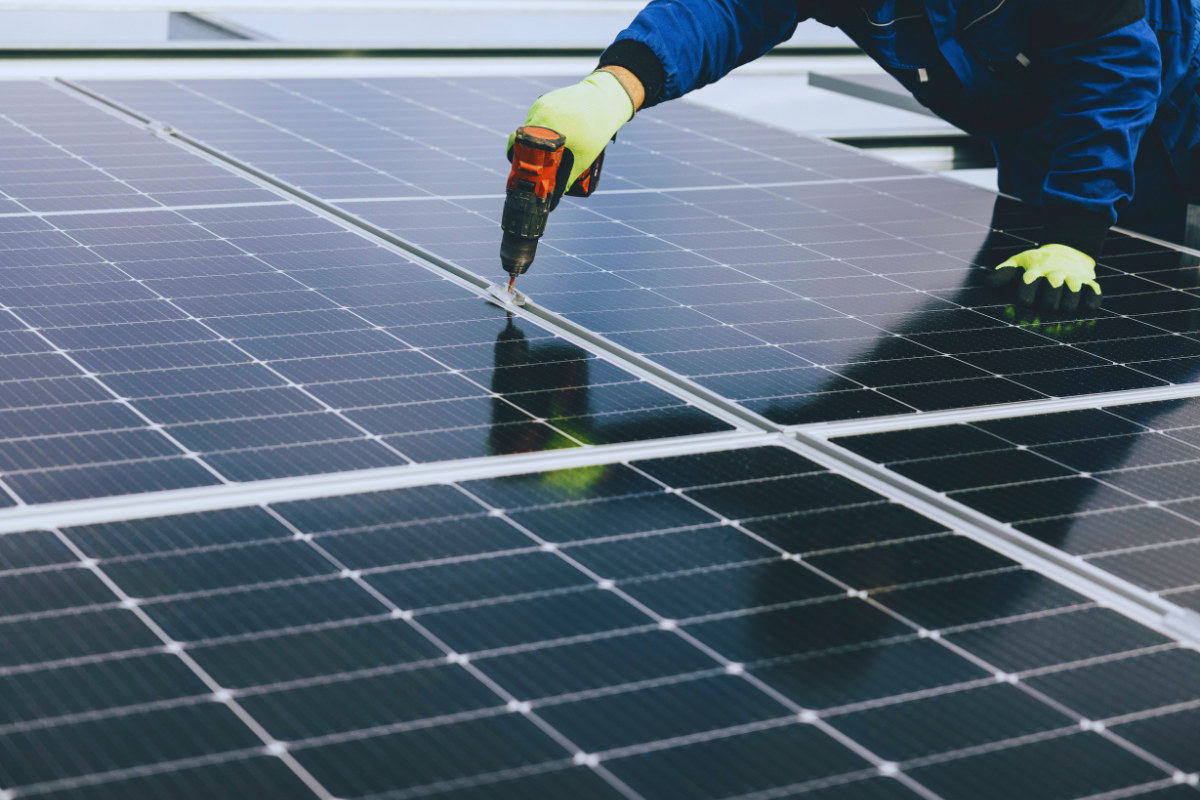
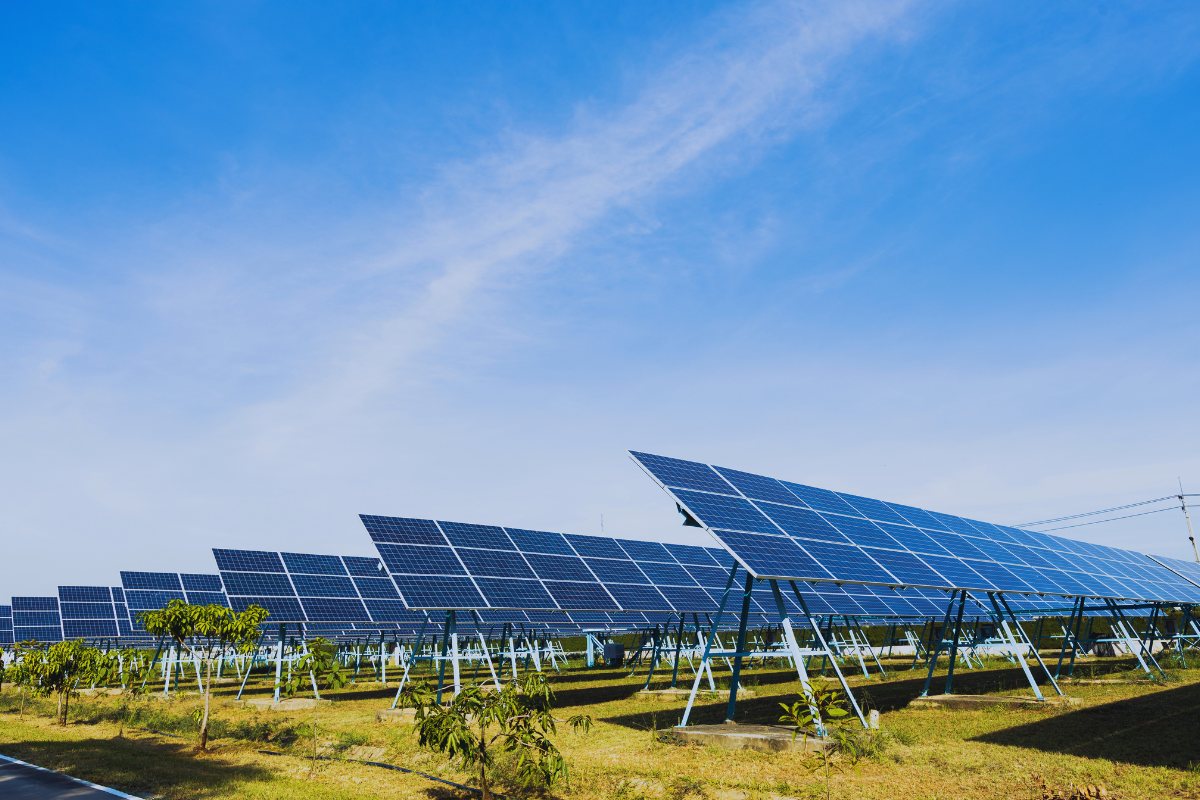
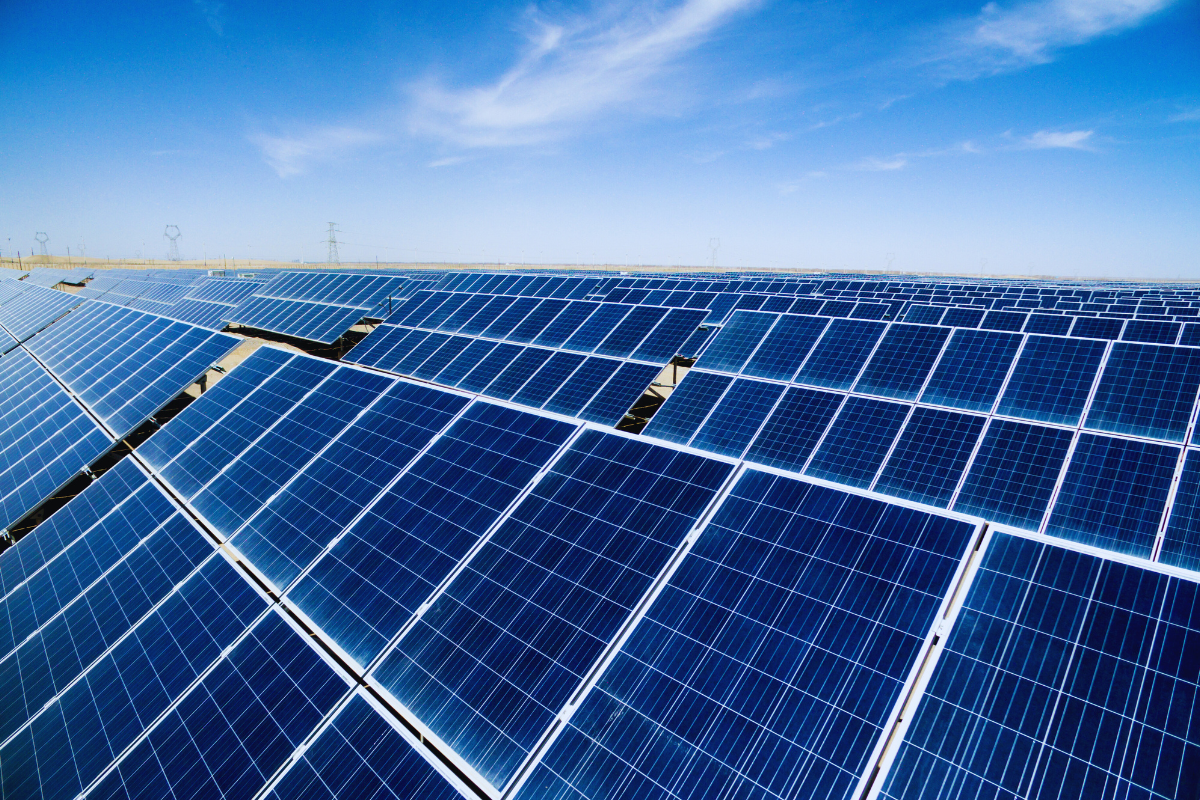
When planning to install a solar system, one of the most common questions customers ask is whether to choose an on-grid or off-grid solar system. Each option has its advantages, and the right choice depends on energy needs, location, and budget. Understanding the difference can help you make an informed decision.
On-grid solar systems are connected to the local electricity grid. These systems generate power during the day and supply it directly to your home or business. Any excess electricity is exported to the grid through net metering, earning energy credits. At night or during low sunlight periods, power is drawn from the grid. On-grid systems are cost-effective, require no batteries, and are ideal for areas with reliable grid connectivity.
Off-grid solar systems operate independently of the electricity grid. They include battery storage to store excess energy generated during the day for use at night or during outages. Off-grid systems are best suited for remote locations, farms, and areas with frequent power cuts. While the initial investment is higher due to batteries, the benefit lies in complete energy independence.
There are also hybrid systems that combine features of both on-grid and off-grid setups. These systems use batteries for backup while remaining connected to the grid, offering flexibility and reliability.
At Nova Solar Solutions, we evaluate site conditions, consumption patterns, and future energy needs before recommending a system. Our goal is to ensure maximum efficiency, reliability, and return on investment.
Both systems contribute to reduced electricity bills and environmental protection. The right choice depends on whether your priority is affordability or uninterrupted power. With expert guidance, solar energy can be customized to suit every requirement.